外国籍の方が賃貸で結露・カビに困ったら?冬の換気・修繕費・退去費用を日英解説
「日本のアパートで初めて冬を迎えるけれど、窓が毎朝びしょ濡れになる」
「壁に黒いカビが発生した。管理会社に連絡した方がいい?」
「外国籍の入居者でも、大家さんに修繕をお願いできる?」
「結露が原因で壁紙にカビができた場合、退去時に修理費を請求される?」
「日本語で管理会社へ説明するのが難しい」
日本の賃貸アパートやマンションで暮らしている方にとって、冬の結露やカビは身近な住宅トラブルの一つです。
特に、11月から冬にかけて気温が下がる時期には、窓ガラスや窓枠、壁などに水滴が付着することがあります。
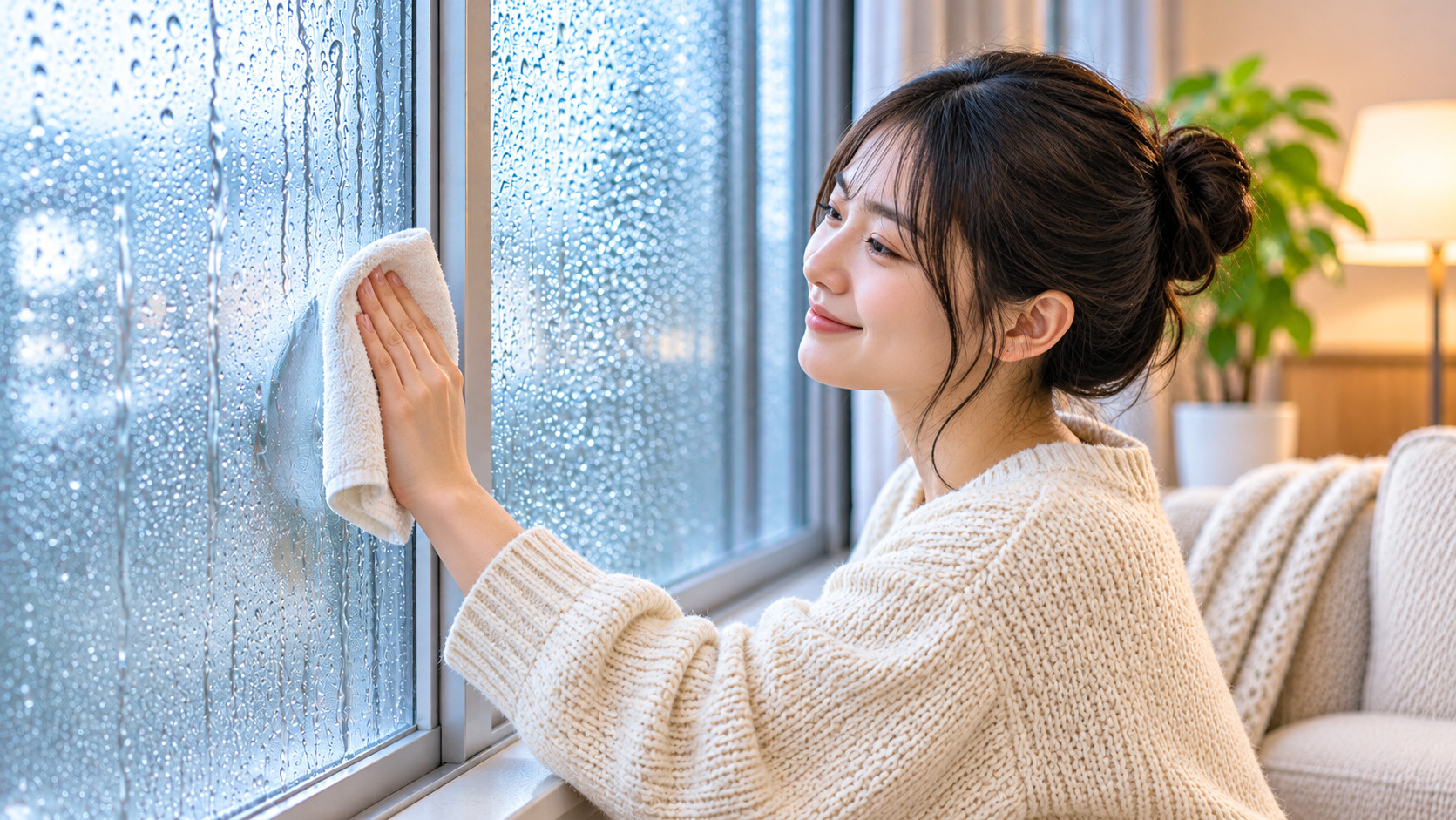
朝起きたときに、窓が濡れていた。
カーテンに黒い点ができていた。
家具の裏側にカビが発生していた。
こうした経験がある方もいるでしょう。
日本で初めて賃貸住宅を借りた外国籍の方の中には、建物の換気設備や暖房器具、室内の湿気への対応方法が分からず、困る場合があるかもしれません。
ただし、結露やカビは外国籍の方だけに起こる問題ではありません。
日本人の入居者でも、同じようなトラブルが発生することがあります。
重要なのは、住んでいる人の国籍ではなく、建物の状態、設備の使い方、日頃の換気や清掃、異常が発生した後の対応です。
また、賃貸住宅でカビが発生したからといって、その修繕費用をすべて入居者が負担するとは限りません。
一方、結露を長期間放置したことで壁や床に大きな損傷が生じた場合には、入居者の費用負担が問題になることがあります。
国土交通省の「原状回復をめぐるトラブルとガイドライン」でも、通常の使用による損耗と、借主の不注意や管理不足によって生じた損傷は区別されています。
さらに、2026年3月18日には、国民生活センターが住宅用塩素系洗浄剤について注意喚起を行いました。
カビを取り除こうとして洗浄剤を混ぜ、有害なガスが発生する事故が報告されています。
つまり、結露やカビの問題は、掃除や退去費用だけではなく、安全な生活にも関係するものです。
今回は、東京都・埼玉県・神奈川県・千葉県・茨城県・栃木県・群馬県で賃貸住宅を探している方、現在住んでいる外国籍の方に向けて、冬の結露、カビの予防、24時間換気、管理会社への連絡、修繕費の負担、退去時の原状回復、安全な清掃方法について、日本語と英語で詳しく解説します。
■結論|賃貸住宅の結露・カビは、原因と対応状況で費用負担が変わる
最初に、重要なポイントを整理しましょう。
賃貸住宅に結露やカビが発生した場合、必ず借主が悪いというわけではありません。
反対に、結露やカビが発生したら、必ず貸主が修繕費を負担するというわけでもありません。
原因や状況によって判断が異なります。
結露・カビの原因と対応
| 状況 | 確認すること |
|---|---|
| 窓に水滴が付く | 室内の湿気・温度差・換気 |
| 壁にカビができる | 湿気・清掃状況・建物の状態 |
| 天井から水が落ちる | 雨漏り・配管等の不具合 |
| エアコンから水が漏れる | 設備の故障・排水経路 |
| 換気扇が動かない | 設備の故障・管理会社への連絡 |
| 家具の裏にカビがある | 空気の流れ・壁の状態・湿気 |
| カビが繰り返し発生する | 建物・設備・生活環境の調査 |
例えば、窓に結露が発生した場合、室内の湿度や外気との温度差が関係していることがあります。
一方、外壁や配管などに問題がある場合は、建物側の不具合が関係している可能性もあります。
結露やカビを見つけたら、原因を自己判断せず、発生した場所や状況を確認することが重要です。
特に、壁の内部や天井などに広範囲のカビがある場合は、管理会社へ相談しましょう。
■そもそも結露とは?なぜ日本の冬に発生する?
結露とは、空気中の水分が冷たい窓や壁などに触れることで、水滴になる現象です。
例えば、冬の朝に窓ガラスが濡れている場合です。
室内の暖かく湿った空気が、外の寒さで冷えた窓ガラスに触れると、空気中の水蒸気が水滴になることがあります。
これは自然に起こる現象です。
結露が発生しやすくなる条件
室内と屋外の温度差が大きい
室内の湿度が高い
換気が不足している
家具の裏側に空気が流れにくい
窓や壁の断熱性能が十分でない
室内で多くの水蒸気が発生している
例えば、洗濯物を室内に干すと、乾燥する過程で空気中に水分が放出されます。
また、料理や入浴によっても水蒸気が発生します。
暖房器具の種類によっては、使用時に室内の水蒸気が増える場合もあります。
こうした条件が重なると、結露が発生しやすくなります。
ただし、室内の温度や湿度だけでなく、建物の断熱性や換気設備も関係します。
結露があるだけで建物の欠陥?
結露が発生したという事実だけで、建物に欠陥があると判断することはできません。
一方、通常の換気や清掃を行っていても、大量の結露が継続する場合には、建物側の状況を確認する必要があるかもしれません。
まずは結露の発生状況を記録し、改善しない場合は管理会社へ相談しましょう。
■賃貸アパートの24時間換気は止めてもいい?
日本の賃貸住宅には、24時間換気システムが設置されている場合があります。
24時間換気システムは、室内の空気を継続的に入れ替えるための設備です。
例えば、浴室やトイレの換気設備が、住宅全体の換気システムの一部になっている場合があります。
なぜ換気が必要?
室内では、人の呼吸や料理、入浴、洗濯物などによって水蒸気が発生します。
適切に換気することで、室内にたまった湿気などを外へ排出する助けになります。
ただし、換気設備の仕組みは物件によって異なります。
24時間換気を止めるとどうなる?
建物の設計上、常時運転することを前提とした換気設備を停止すると、室内の換気量が不足する可能性があります。
その結果、湿気がこもりやすくなる場合があります。
一方、設備の種類や操作方法は住宅によって異なります。
そのため、すべての換気扇を無条件に24時間運転すればよい、という意味ではありません。
入居時に交付される設備の取扱説明書や、管理会社の案内を確認しましょう。
24時間換気の確認ポイント
どこに換気設備があるか
常時運転が必要な設備か
給気口が設置されているか
給気口が閉じられていないか
フィルターの清掃が必要か
設備から異音がしていないか
正常に動いているか
換気設備が故障している場合は、自己判断で分解せず、管理会社へ連絡してください。
■冬に室内で洗濯物を干す場合は?
日本では、冬や雨の日に洗濯物を室内に干す方もいます。
ただし、室内干しによって湿度が上がる場合があります。
例えば、ワンルームの賃貸住宅です。
限られた室内で洗濯物を大量に干し、窓を閉め切っている場合、湿気がこもりやすくなることがあります。
室内干しで確認したいこと
換気設備を適切に使用する
洗濯物を密集させすぎない
部屋の湿度を確認する
必要に応じて除湿設備を使用する
窓や壁の結露を確認する
洗濯物が壁に直接触れないようにする
ただし、換気や除湿を行えば、すべての住宅で結露が完全になくなるというわけではありません。
建物の状態によっては、別の対応が必要になる場合もあります。
■家具の裏側にカビが発生するのはなぜ?
賃貸住宅では、ベッドやタンス、収納家具の裏側にカビが発生する場合があります。
例えば、外壁に面した壁に大きな収納家具を密着させている場合です。
家具の裏側は、室内の空気が流れにくくなることがあります。
そのため、壁の温度や湿気などの条件によっては、結露やカビが発生しやすくなる場合があります。
家具を置くときの工夫
家具の裏側に空気が流れる余地を設ける
壁の状態を定期的に確認する
収納の中に湿気がこもっていないか確認する
結露を見つけたら放置しない
カビが繰り返し発生する場合は管理会社へ相談する
ただし、家具を壁から離せば、すべてのカビが防げるというわけではありません。
建物の断熱性や水漏れなどが原因となっている可能性もあるためです。
入居前の内見でも確認できる?
内見時には、次のような場所を確認する方法があります。
窓枠
壁の角
押入れ・クローゼット
洗面所
浴室
キッチン
外壁に面した壁
ただし、内見時にカビが見つからなかったとしても、将来カビが発生しないことが保証されるわけではありません。
物件の設備や換気方法についても確認しましょう。
■カビを見つけたら管理会社へ連絡すべき?
結論として、壁や天井などにカビが発生し、原因が不明な場合や、広範囲に広がっている場合は、管理会社へ連絡しましょう。
特に、雨漏りや配管の不具合が疑われる場合は、早めの連絡が重要です。
管理会社へ伝えたいこと
物件名と部屋番号
カビが発生している場所
いつ気付いたか
どのくらい広がっているか
結露や水漏れの有無
換気設備の状態
写真の有無
現地確認を希望しているか
例えば、寝室の壁に黒いカビが発生したとします。
最初は小さな範囲だったものが、数週間で広がった場合です。
この場合、発生した日時や状況を整理し、写真と一緒に管理会社へ伝える方法があります。
また、連絡した日時や内容を記録しておくと、後から状況を確認しやすくなります。
勝手に壁紙を剥がしてもいい?
自己判断で壁紙を剥がしたり、建物の設備を分解したりすることは避けましょう。
賃貸住宅の壁や設備は、原則として貸主の所有物です。
必要な修繕については、貸主・管理会社へ確認することが重要です。
■管理会社に英語で連絡したい場合の例文
日本語での説明が難しい場合は、英語の文章を用意して連絡する方法もあります。
ただし、管理会社が必ず英語で対応できるとは限りません。
その場合は、翻訳機能や通訳などの利用を相談しましょう。
カビを発見した場合
日本語
お世話になっております。
〇〇マンション〇〇号室に住んでいます。
室内の壁にカビが発生していることに気付きました。
写真を添付しますので、確認をお願いいたします。
建物や設備の問題が関係している可能性もあるため、必要な対応について教えていただけますでしょうか。
よろしくお願いいたします。
English
Hello,
I live in apartment [room number] at [building name].
I have noticed mold growing on the wall inside my apartment.
I have attached photos of the affected area.
Could you please advise me on what I should do and whether the property needs to be inspected?
Thank you for your assistance.
換気扇が動かない場合
日本語
お世話になっております。
〇〇マンション〇〇号室の換気設備が正常に動いていないようです。
室内に湿気がたまり、結露も発生しています。
設備の確認をお願いできますでしょうか。
よろしくお願いいたします。
English
Hello,
The ventilation system in my apartment does not appear to be working properly.
Moisture is building up inside the apartment, and condensation has started to form.
Could you please arrange an inspection of the ventilation system?
Thank you.
※連絡例は一般的な文面です。実際の建物の状況に合わせて内容を変更してください。
■カビの修繕費は大家さんと入居者のどちらが負担する?
ここは、今回の記事で特に重要な部分です。
国土交通省の原状回復ガイドラインでは、結露やカビについて、発生原因や借主の対応状況を踏まえて考える必要があるとしています。
ケース① 建物の状態が主な原因だった場合
例えば、外壁や窓まわりの構造上の問題によって、通常の生活をしていても継続的に結露が発生する場合です。
このような場合は、建物側の状態について確認する必要があります。
貸主が修繕義務を負う場合もあります。
ただし、結露が発生したというだけで、すべての費用が貸主負担になると決まるわけではありません。
ケース② 借主が結露を放置した場合
例えば、窓に大量の結露が発生していることを認識していながら、長期間拭き取らず、カビやシミが広がった場合です。
国土交通省のガイドラインでは、借主が結露を放置し、通知や手入れを怠ったことでカビやシミが拡大した場合、借主負担となる例を示しています。
ケース③ 水漏れが発生した場合
例えば、建物の配管から水が漏れ、室内の壁や床が濡れてしまった場合です。
この場合は、配管や設備の故障原因、連絡状況などを確認する必要があります。
また、異常を認識していたにもかかわらず、管理会社へ知らせず被害が拡大した場合には、費用負担が問題となる可能性があります。
費用負担の考え方
| 状況 | 一般的な考え方 |
|---|---|
| 通常使用による経年変化 | 原則として貸主負担 |
| 建物・設備の不具合 | 原因・契約等により判断 |
| 結露を放置して拡大したカビ | 借主負担となる場合がある |
| 清掃を怠って拡大した汚損 | 借主負担となる場合がある |
| 雨漏り・配管故障 | 原因と対応状況を確認 |
| 有効な修繕・清掃特約がある | 特約内容・法令により判断 |
外国籍であること自体が、修繕費用を多く負担する理由になるわけではありません。
費用負担は、損傷の原因、契約内容、通常の使用状況などに基づいて判断されます。
参考:
■2026年3月の注意喚起|カビ取り剤を混ぜると危険
カビを発見した場合、市販のカビ取り剤を使用しようと考える方もいるでしょう。
しかし、洗浄剤の使い方には注意が必要です。
2026年3月18日、国民生活センターは、住宅用塩素系洗浄剤に関する事故について注意喚起を行いました。
塩素系洗浄剤を酸性洗浄剤などと一緒に使用すると、有害な塩素ガスが発生することがあります。
実際に、洗浄剤の組み合わせによって体調不良になり、救急搬送された事例も報告されています。
特に注意したいこと
塩素系洗浄剤と酸性洗浄剤を混ぜない
クエン酸や酢などと組み合わせない
ほかの洗浄剤と自己判断で併用しない
十分に換気する
製品表示の注意事項を確認する
指定された使用量を守る
目や皮膚への付着に注意する
用途外の場所に使用しない
また、アルコール系製品などとの組み合わせにも注意が必要です。
壁紙のカビを自分で掃除してもいい?
市販の洗浄剤が、すべての壁紙や建材に使用できるとは限りません。
素材によっては、変色や損傷が発生する場合があります。
また、壁の内部にカビが広がっている場合は、表面だけを掃除しても原因が解消されないことがあります。
広範囲のカビや原因不明のカビについては、管理会社へ相談しましょう。
なお、洗浄剤の使用中に刺激臭や体調不良を感じた場合は、直ちに使用を中止し、その場所から離れてください。
参考:
国民生活センター|住宅用塩素系洗浄剤の使い方(2026年3月18日)
■退去するときにカビの修繕費を請求されたら?
賃貸住宅を退去する際には、管理会社や貸主が室内の状態を確認する場合があります。
その際、壁紙や床などにカビがあると、修繕費用について説明されることがあります。
ただし、カビがあるという理由だけで、すべての修繕費用が借主負担になるわけではありません。
確認したい5項目
① カビの原因
建物の問題か、換気不足や清掃状況などが関係しているか。
② カビの発生場所
窓、壁、天井、床、設備など。
③ カビが発生した時期
入居時からあったものか、入居後に発生したものか。
④ 管理会社への連絡
いつ、どのような内容を報告したか。
⑤ 修繕費用の内訳
どの部分を、どのような理由で修繕するのか。
2026年の賃貸トラブル相談状況
国民生活センターが2026年7月31日に更新した情報では、2025年度の賃貸住宅の原状回復に関する相談が14,711件掲載されています。
※この数字は、外国籍の方やカビに関する相談だけを集計したものではありません。
賃貸住宅の退去時には、カビに限らず、床や壁紙、清掃費用などについてトラブルが生じる場合があります。
そのため、入居時から写真や記録を残すことが重要です。
参考:
■入居時から写真を撮っておくことが重要
賃貸住宅を借りるとき、内見や入居時に部屋の状態を記録しておくことをおすすめします。
例えば、入居した時点ですでに窓枠にカビがあった場合です。
その状態を写真で記録し、管理会社へ伝えておけば、後から発生時期を確認するための資料になります。
撮影しておきたい場所
窓ガラスと窓枠
壁の角
天井
クローゼット
浴室
キッチン
洗面所
エアコン
換気設備
床と壁の境目
また、写真だけでなく、撮影日と管理会社への連絡内容を記録しておくことも重要です。
ただし、写真を撮っておけば修繕費を必ず負担しなくてよくなるという意味ではありません。
発生した状況を客観的に確認しやすくするための資料です。
■東京都・埼玉県・神奈川県・千葉県・茨城県・栃木県・群馬県で賃貸を探す方へ
結露やカビの原因を考える基本的な仕組みは、地域によって大きく変わるものではありません。
ただし、実際の賃貸住宅では、建物の築年数、断熱性能、換気設備、間取り、周辺環境などが異なります。
そのため、関東のどの地域であっても、物件ごとの状態を確認することが重要です。
東京都
ワンルームや1Kなど、コンパクトな賃貸住宅を検討する場合は、換気設備や室内干しをする場所などを確認しましょう。
埼玉県
戸建て賃貸やアパート、マンションなど、住居の種類によって換気設備や窓の構造が異なります。
建物の設備を確認しましょう。
神奈川県
建物の所在地や階数、周辺環境などによって、窓の状態や室内環境が異なります。
内見時には窓枠や収納内部なども確認しましょう。
千葉県
賃貸住宅を比較する際は、窓の構造や換気設備、浴室の換気方法などを確認しましょう。
茨城県
アパートや戸建てを検討する場合は、換気設備だけでなく、暖房器具の利用条件や結露対策についても確認しましょう。
栃木県
冬場の生活を想定し、窓の断熱性能や暖房設備、換気設備の使用方法を確認しましょう。
群馬県
冬の暖房利用や室内干しを考えている場合は、室内の湿気対策や換気設備の状態を確認しましょう。
関東7都県に共通するチェックポイント
換気設備の有無
24時間換気の使用方法
窓や壁の状態
エアコン・暖房設備
浴室乾燥機の有無
クローゼットの湿気
過去の水漏れ・修繕状況
入居後の管理会社への連絡方法
国籍や地域だけで判断するのではなく、実際の物件を確認することが重要です。
■外国籍の方が冬の賃貸生活で確認したいチェックリスト
【入居前】
換気設備を確認した
窓の結露を確認した
浴室・クローゼットの状態を確認した
エアコンの動作を確認した
暖房器具の使用条件を確認した
入居前の傷や汚れを記録した
【入居中】
換気設備を適切に使用している
結露を長期間放置していない
必要に応じて湿度を確認している
家具の裏側を確認している
水漏れや設備故障を放置していない
カビが広がる場合は管理会社へ連絡している
【清掃・安全】
洗浄剤の注意事項を確認した
塩素系洗浄剤とほかの洗剤を混ぜていない
洗浄剤使用時の換気を確認した
壁紙や設備を勝手に改修していない
必要に応じて専門業者へ相談している
【退去時】
入居時の写真を保存している
カビの発生状況を記録した
管理会社への連絡履歴を保存した
修繕費用の内訳を確認した
契約書の特約を確認した
内容が分からない書類は説明を求めている
■外国籍の方に役立つ関連記事
賃貸住宅のカビや結露について、管理会社へ連絡するとき、日本語の契約書が分かりにくい場合があります。
重要事項説明や契約内容を理解する方法については、次の記事で詳しく解説しています。
外国籍の方が日本語の賃貸契約書を読めない場合は?重要事項説明・通訳・契約前の確認点を日英解説
また、日本の賃貸住宅では、ゴミの分別や収集日など、自治体や建物ごとの生活ルールもあります。
外国籍の方が賃貸でゴミ出しに困ったら?分別・収集日・粗大ゴミ・管理会社への相談を日英解説
結露やカビの修繕費用が退去時に問題となった場合は、原状回復や敷金精算の基本的な仕組みについても確認しておきましょう。
外国籍の方が賃貸を退去するときは?敷金返還・原状回復・解約手続き・海外帰国前の注意点
■よくある質問(FAQ)
Q1.外国籍の入居者でも、大家さんにカビの修繕をお願いできますか?
はい。建物や設備の不具合によって修繕が必要な場合には、貸主・管理会社へ相談できます。
ただし、修繕義務や費用負担は原因や契約内容などによって異なります。
Q2.窓の結露は毎日拭かなければいけませんか?
すべての住宅で毎日同じ対応が必要になるという意味ではありません。
ただし、結露を放置するとカビやシミなどにつながる可能性があるため、適切に拭き取るなどの手入れが重要です。
Q3.24時間換気を止めると退去費用が高くなりますか?
換気設備を停止したという事実だけで、退去費用が自動的に増えるわけではありません。
ただし、換気不足などによって汚損が拡大した場合は、原因や管理状況が問題になることがあります。
Q4.カビが発生したら壁紙を全部交換する必要がありますか?
必ずしもそうではありません。
損傷の範囲や原因、修繕方法などによって異なります。
管理会社へ状況を伝え、必要な修繕範囲を確認しましょう。
Q5.カビ取り剤を使うときに注意することは?
塩素系洗浄剤と酸性洗浄剤などを混ぜないことが重要です。
また、十分に換気し、製品表示の注意事項を守って使用してください。
Q6.外国籍だからという理由で高額な修繕費を請求されることはありますか?
国籍だけで修繕費用の負担が決まるわけではありません。
実際の契約内容や損傷原因などによって判断されます。
疑問がある場合は、請求内容や根拠を確認しましょう。
Q7.管理会社がカビの修繕に対応してくれない場合は?
発生状況と連絡履歴を整理し、改めて対応を求めましょう。
必要に応じて、消費生活センターや法律の専門家へ相談する方法があります。
日本語での相談が難しい場合は、多言語対応の相談窓口も確認しましょう。
■日本語まとめ|結露やカビは、発見した後の対応が重要
日本の賃貸住宅で結露やカビが発生した場合、入居者がすべての責任を負うとは限りません。
また、建物の問題だけが原因とも限りません。
大切なのは、結露やカビの発生原因を確認し、必要な換気や清掃、管理会社への連絡を行うことです。
特に冬場は、暖房や室内干しなどによって室内の湿気が増えることがあります。
一方、建物の断熱性や設備の不具合が関係する場合もあります。
今回の重要なポイントは次のとおりです。
結露やカビは国籍に関係なく発生する住宅トラブル
室内の湿気・換気・建物の状態が関係する
24時間換気設備は取扱説明書に従って使用する
結露を長期間放置しない
広範囲のカビや原因不明のカビは管理会社へ相談する
修繕費用は原因と契約内容によって判断される
塩素系洗浄剤をほかの洗浄剤と混ぜない
写真と連絡履歴を保存する
退去時の請求内容を確認する
日本語が分からない場合は説明や翻訳を求める
スマイファミリーでは、埼玉県・東京都・千葉県・神奈川県・茨城県・栃木県・群馬県で、外国籍の方のお部屋探しや住み替えについてご相談を承っています。
「日本で初めて賃貸住宅を借りたい」
「外国籍でも申し込める物件を探したい」
「設備や管理会社への連絡方法について確認したい」
「日本語の賃貸契約書が不安」
「住み替えを検討している」
このような場合も、希望する地域や家賃、勤務状況、必要書類、物件の設備などを整理しながら、お部屋探しを進めることが大切です。
住まいのトラブルを防ぐために必要なのは、すべてを一人で解決することではありません。異常に気付いたとき、適切な相手へ相談し、必要な対応を確認することです。
English
Mold and Condensation in Japanese Rental Apartments: Winter Ventilation, Repairs and Tenant Responsibilities
"Why are my apartment windows wet every morning?"
"I found black mold on the wall. Should I contact my property manager?"
"Can a foreign tenant ask the landlord to repair a problem?"
"Will I have to pay for mold removal when I move out?"
"How can I explain the problem if I do not speak Japanese?"
If you live in a rental apartment in Japan, you may experience condensation or mold during the colder months.
Condensation often appears on windows, window frames, and other cold surfaces.
If moisture remains for a long time, mold or stains may develop.
However, mold is not a problem that affects only foreign residents. Japanese tenants may experience exactly the same issues.
The important factors are the condition of the building, ventilation, indoor moisture, routine care, and how problems are reported.
This guide explains what to do if condensation or mold develops in your rental home in Tokyo, Saitama, Kanagawa, Chiba, Ibaraki, Tochigi, or Gunma.
1. What causes condensation in a Japanese apartment?
Condensation forms when warm, moist indoor air comes into contact with a sufficiently cold surface.
For example, during winter, the indoor air may be warm while the window glass remains cold.
Water droplets can then form on the glass.
Several conditions may contribute to condensation:
A large temperature difference between indoors and outdoors
High indoor humidity
Insufficient ventilation
Moisture from cooking or bathing
Drying laundry indoors
Poor air circulation behind furniture
The insulation or design of the building
Condensation does not automatically mean that your apartment is defective.
However, if excessive condensation continues despite reasonable ventilation and cleaning, the building may need to be inspected.
2. Should I keep the ventilation system running?
Some Japanese apartments have a 24-hour ventilation system.
This system is designed to continuously exchange indoor and outdoor air.
In certain properties, bathroom or toilet ventilation equipment may be part of the system.
Follow the instructions provided for your particular apartment.
If the equipment is intended to operate continuously, switching it off may reduce ventilation.
However, not every ventilation fan is designed to run continuously.
If you are unsure, contact the property management company.
You should also check whether air inlets are open and whether ventilation filters require cleaning.
If the system is not working properly, report the problem instead of attempting to dismantle it.
3. How can I reduce condensation during winter?
There are several practical steps you can consider.
Use ventilation appropriately
Follow the instructions for your apartment's ventilation system.
Check indoor humidity
A humidity meter can help you understand how much moisture is present.
Remove condensation
If water droplets collect on windows or window frames, wipe them away before they cause further damage.
Be careful when drying laundry indoors
Indoor laundry releases moisture into the air.
Use appropriate ventilation or dehumidification when needed.
Check behind furniture
Large furniture placed directly against an external wall may restrict air circulation.
Leave appropriate space where possible and inspect the area regularly.
Report repeated problems
If condensation continues to develop excessively, ask the management company whether the building or equipment should be inspected.
These measures may help, but they cannot guarantee that condensation will disappear completely.
4. I found mold on the wall. What should I do?
If you discover mold, first check where it is located and how extensive it is.
For example:
Window frames
Bedroom walls
Bathroom walls
Closet interiors
Ceilings
Areas behind furniture
Around air-conditioning equipment
If the mold is extensive, keeps returning, or appears to be connected to a leak, contact your property manager.
Do not remove wallpaper, open walls, or carry out structural repairs without permission.
Take photographs of the affected area and record when you first noticed the problem.
It may also be helpful to keep a record of emails or messages sent to the management company.
5. Who pays for mold damage: the landlord or the tenant?
In Japan, responsibility for repair costs depends on the cause of the damage and the circumstances.
A tenant is not automatically responsible for all mold damage.
Likewise, the landlord is not automatically responsible in every case.
The Ministry of Land, Infrastructure, Transport and Tourism provides guidelines for determining responsibility for restoration costs.
Example A: A building-related problem
Suppose a defect in the building or its equipment causes persistent moisture or water damage.
The landlord may be responsible for necessary repairs, depending on the circumstances.
Example B: Condensation was left untreated
Suppose condensation is repeatedly allowed to accumulate, and the tenant does not take reasonable steps to prevent the resulting damage.
If mold spreads because of that neglect, the tenant may be responsible for some restoration costs.
Example C: A plumbing leak
Suppose a pipe leaks inside the apartment.
Responsibility will depend on the cause of the leak and how the parties responded.
If the tenant notices a leak but fails to report it, allowing the damage to become worse, additional responsibility may arise.
The main point is simple:
Repair costs should be considered according to the cause of the damage, not the tenant's nationality.
For official guidance, see:
MLIT — Questions and Answers on Rental Property Restoration
6. Is it safe to use mold-removal products?
Be careful when using household cleaning chemicals.
On March 18, 2026, Japan's National Consumer Affairs Center issued a safety warning about chlorine-based household cleaning products.
Mixing chlorine-based cleaners with acidic products can release dangerous chlorine gas.
Such accidents have caused serious health problems.
Follow these precautions:
Never mix chlorine-based cleaners with acidic products
Do not combine cleaning chemicals unless the manufacturer explicitly says it is safe
Read the product instructions carefully
Provide appropriate ventilation
Use only the recommended quantity
Protect your eyes and skin as instructed
Do not use products on unsuitable surfaces
Stop using the product if you notice unusual fumes or feel unwell
Mold removers suitable for bathroom tiles may not be suitable for wallpaper or other indoor materials.
If you find widespread mold, or if the cause is unclear, contact your property manager before attempting extensive cleaning.
For more information:
National Consumer Affairs Center of Japan — Household Chlorine Cleaner Safety Notice
7. How can I contact my property management company in English?
You can use the following message.
Subject: Mold in My Rental Apartment
Hello,
I live in apartment [room number] at [building name].
I have noticed mold growing on the wall inside my apartment.
I have attached photographs showing the affected area.
Could you please advise me on the appropriate next steps and whether an inspection is necessary?
Thank you for your assistance.
Best regards,
[Your name]
If the ventilation system is not working, you may write:
Subject: Ventilation System Problem
Hello,
The ventilation system in my apartment does not appear to be working properly.
Moisture is accumulating indoors, and condensation has started to form.
Could you please arrange for the equipment to be checked?
Thank you.
Not every property management company offers English-language support.
If necessary, ask whether translation or interpretation assistance is available.
8. Can mold affect my security deposit when I move out?
Possibly, depending on the cause of the damage.
In Japan, a security deposit is called shikikin.
When you move out, the landlord may deduct certain amounts from the deposit if you are legally responsible for damage or other outstanding obligations.
However, ordinary wear and aging are generally treated differently from damage caused by a tenant's negligence.
If you receive a bill for mold-related repairs, ask for:
An explanation of the damaged area
The cause of the damage
Photographs or inspection records
An itemized repair estimate
The lease provision, if relevant
An explanation of why you are responsible
Do not assume that all restoration charges are automatically valid.
For a detailed explanation of moving out, deposits, and restoration costs, read our related guide:
9. What should I check before signing a rental contract?
If you are currently looking for an apartment, inspect the condition of the property before applying.
Pay particular attention to:
Windows and window frames
Ventilation equipment
Bathroom ventilation
Kitchen ventilation
Closets and storage spaces
Walls facing outdoors
Heating and air-conditioning equipment
Visible signs of moisture damage
Previous repairs, where information is available
You should also check how to contact the management company if something stops working.
If your rental contract is written in Japanese, ask for an explanation of any terms you do not understand.
Our related article explains important matters, translation, and lease documents:
10. Does the advice change depending on where I live?
The basic principles of condensation, ventilation, and rental property maintenance are relevant throughout Japan.
However, the condition of individual buildings can vary considerably.
For example, a studio apartment in Tokyo may have different ventilation equipment from a detached rental home in Saitama.
An apartment in Kanagawa or Chiba may have a different layout or window construction from a property in Ibaraki, Tochigi, or Gunma.
Do not judge the risk of condensation based only on the prefecture.
Instead, consider the actual property.
Check the ventilation system, windows, insulation, heating equipment, storage areas, and any previous signs of moisture damage.
The same approach applies whether you live in a newly built apartment or an older rental property.
11. Other important rules for living in a Japanese apartment
Mold prevention is only one part of maintaining a rental home.
You should also understand the building's rules for garbage disposal, shared facilities, noise, and equipment.
Garbage collection rules can differ between municipalities.
A system used in one city may not apply after you move to another.
For further guidance, read:
Garbage Disposal Rules in Japanese Rental Apartments: Sorting, Collection Days and Bulky Waste
Frequently Asked Questions
Q1. Can a foreign tenant request repairs from the landlord?
Yes. Foreign tenants can report defects and request necessary repairs.
Responsibility depends on the cause of the problem, the lease agreement, and applicable law.
Q2. Do I have to remove condensation every day?
There is no universal rule requiring every tenant to perform the exact same cleaning routine every day.
However, leaving significant condensation untreated can contribute to damage.
Reasonable routine care is important.
Q3. Will I automatically pay for mold damage when moving out?
No. Responsibility depends on the cause of the mold, the circumstances, and any applicable lease provisions.
Q4. Can I remove wallpaper if there is mold underneath?
Do not remove wallpaper or undertake building repairs without checking with your landlord or management company.
Q5. What should I do if the mold keeps returning?
Document the problem and contact the management company.
An inspection may be necessary to identify the underlying cause.
Q6. What if I cannot understand the repair bill?
Ask for an explanation and an itemized statement.
You may also seek help from a consumer advice service or a legal professional if necessary.
Summary: A Safe and Comfortable Rental Home Starts With Proper Communication
Condensation and mold can occur in rental apartments regardless of the tenant's nationality.
The cause may involve indoor humidity, insufficient ventilation, building conditions, equipment problems, or a combination of factors.
To reduce problems:
Follow the ventilation instructions for your apartment.
Do not leave significant condensation untreated.
Check windows, walls, closets, and areas behind furniture.
Report unexplained or extensive mold.
Take photographs and keep communication records.
Never mix household cleaning chemicals.
Understand the difference between ordinary wear and tenant-caused damage.
Review any restoration charges before paying them.
Ask for an explanation if you cannot understand your contract.
Seek advice when you need assistance.
SMY × FAMILY helps foreign nationals search for rental housing in Saitama, Tokyo, Chiba, Kanagawa, Ibaraki, Tochigi, and Gunma.
Whether you are renting your first apartment in Japan or planning to move to another home, understanding the property's condition and rental terms is essential.
You can find more information about rental screening, guarantor companies, residence cards, and apartment searches in our main guide:
SMY × FAMILY — A Guide to Renting a Home in Japan for Foreign Nationals
A comfortable home is not simply a place without problems. It is a place where residents understand how to report problems and receive the help they need.
SMY × FAMILY|スマイファミリー
家族のように寄り添い、暮らしをもっと豊かに。
スマイファミリーでは、埼玉県・東京都・千葉県・神奈川県・茨城県・栃木県・群馬県の関東7都県を対象に、お部屋探しから不動産購入・売却、賃貸管理、店舗・事務所探しまで幅広くご相談を承っています。
賃貸審査や保証会社に不安がある方、生活保護を受給されている方、夜職・水商売の方、外国籍の方、高齢者・シニアの方など、お客様それぞれの状況に合わせたお部屋探しをお手伝いします。
■お悩み・目的から探す
【賃貸住宅・お部屋探し】
【店舗・テナント・賃貸管理】
【不動産購入・売却】
【採用情報】
SMY × FAMILY|スマイファミリー
家族のように寄り添い、暮らしをもっと豊かに。